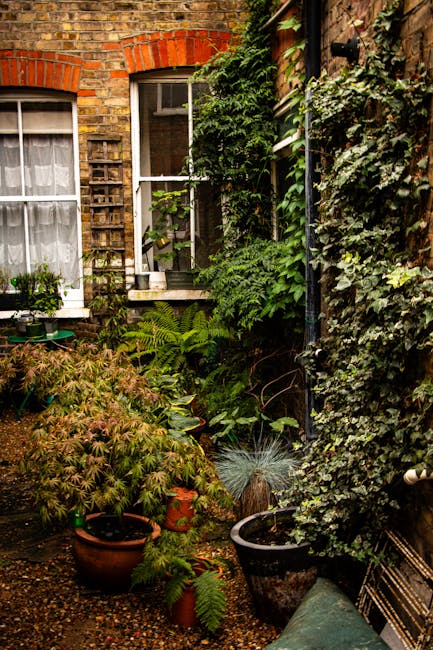
Bayswater Queensway expert gardeners for small city gardens
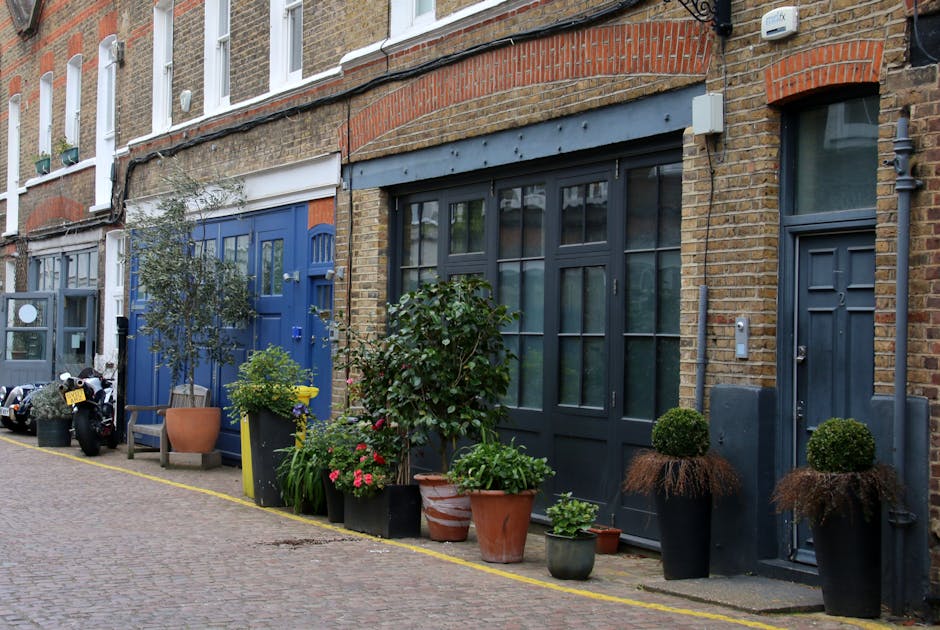
Small city gardens can be brilliant, but they can also be a bit unforgiving. One awkward corner, too much shade, a tired lawn, or a cluttered layout and the whole space starts to feel smaller than it really is. That is exactly where Bayswater Queensway expert gardeners for small city gardens make a difference. In compact London spaces, the right approach is not about cramming more in; it is about making every square metre work harder, look calmer, and stay manageable through the seasons.
Whether you want a neat courtyard, a greener balcony-style feel at ground level, or a tiny back garden that actually feels inviting after work, specialist help can save time, reduce mistakes, and turn a frustrating plot into something you want to use. Truth be told, city gardens often need more thought than larger ones. The good news? Done well, they can feel elegant, private, and surprisingly generous.
This guide explains how expert gardening works in Bayswater and Queensway, what to expect, where the real value lies, and how to choose the right services for your space.
Why Bayswater Queensway expert gardeners for small city gardens Matters
Small city gardens in Bayswater and Queensway usually have a few things in common: limited width, awkward access, shade from surrounding buildings, and a constant battle between beauty and practicality. That is normal. It does not mean the space is difficult beyond saving. It just means the garden needs a sharper plan.
An expert gardener understands how to work with those constraints rather than fighting them. In a smaller garden, the wrong planting choice can take over quickly, and one bulky feature can block movement, light, or sightlines. A good design feels balanced from day one, but also realistic to maintain when life gets busy and the weather is doing its usual London thing.
There is also a local context worth respecting. City gardens tend to sit between older walls, neighbouring windows, and shared boundaries, so privacy, drainage, and access are often as important as looks. A specialist can spot these issues early and shape the garden around them. That saves headaches later. It also helps avoid the classic situation where a lovely idea becomes a weekly chore no one wants to keep up with.
If your outside space is supposed to be a quiet reset after a noisy day, the difference is immediate. You hear less clutter, see more structure, and the whole place just breathes a little better. Sounds simple, but it matters.
How Bayswater Queensway expert gardeners for small city gardens Works
The process usually starts with a proper look at the garden as it is, not as you hope it might be in spring after a bit of optimism and a few impulse plant purchases. That means checking size, orientation, light levels, soil condition, drainage, access, and how the space is actually used day to day.
From there, expert gardeners typically work through four practical stages:
- Assessment: The garden is measured, inspected, and discussed in plain English. A narrow strip needs different thinking from a square courtyard.
- Prioritisation: The work is grouped by impact. For example, clearing out overcrowded growth may matter more than adding anything new.
- Implementation: This might include planting, lawn care, hedge trimming, hard landscaping, or a full tidy-up depending on the space.
- Maintenance planning: Small gardens look best when they stay under control, so a sensible ongoing plan is part of the job, not an afterthought.
In practice, a good local team should be able to move between tidy maintenance and more involved transformation work. If your garden needs a reset, garden clearance can remove the bulk of the mess first. If it just needs staying neat, garden maintenance is the steadier option. The right answer depends on what you are starting with.
One thing people often underestimate is sequencing. For example, you would not usually lay out new planting before dealing with poor access or overgrown edges. And you would not spend money on detailed features if the basic structure still feels off. Small spaces reward discipline. A bit of discipline, anyway.
Key Benefits and Practical Advantages
When a small city garden is handled properly, the benefits are not just visual. They affect how the space feels, how much effort it takes to keep going, and how much you actually use it.
- Better use of space: Tight gardens need clean lines, smart planting layers, and features sized to fit.
- Less maintenance stress: A well-planned garden is easier to keep tidy, especially in busy households.
- Improved privacy: Careful hedge work, planting height, and layout can soften nearby windows and fences.
- More usable outdoor living: Even a compact space can support seating, containers, or a small deck if planned well.
- Healthier plants: Matching plants to light and soil conditions prevents the constant cycle of buying, planting, and replacing.
- Cleaner first impression: A neat city garden lifts the whole property feel, especially where outdoor space is visible from inside.
A surprisingly common win is simply cutting down visual noise. That tangled patch by the fence? Gone. The cracked, overgrown edge? Sorted. Suddenly the whole garden feels bigger, even if the measurements have not changed one bit. That is the magic, really.
It is also worth saying that expert help can be more cost-effective than random one-off fixes. A rushed attempt at a cheap solution often ends up needing correction. Better to do the right thing once than tidy up the same problem three times. Nobody enjoys that.
Who This Is For and When It Makes Sense
This kind of service suits a wide range of people, especially if their garden is small, tricky, or simply ignored because it feels like too much work. You might need help if you are:
- a homeowner who wants a garden that looks cared for without becoming a full-time job;
- a landlord trying to keep a compact outdoor space presentable between tenancies;
- a busy professional who likes the idea of a nice garden but not the weekend workload;
- someone with a courtyard, side return, or narrow rear garden that needs structure;
- a resident dealing with overgrowth, patchy lawn, or awkward shade;
- someone planning a modest redesign and wanting realistic advice rather than glossy fantasy.
It also makes sense when the garden has a specific problem. Perhaps the hedge has got away from you, the lawn is thin and tired, or the space just does not feel cohesive. In those situations, a targeted service can be enough. For instance, hedge trimming can restore shape and light, while lawn mowing keeps a small lawn under control without letting it spiral into a sad little meadow.
And if there is a larger issue, like years of neglect or a layout that has never really worked, a more comprehensive approach through landscape gardening or broader landscaping may be the smarter route. Not every garden needs a full redesign. But some do. You can usually tell.
Step-by-Step Guidance
If you are approaching a small city garden in Bayswater or Queensway, keep the process simple and orderly. The best results usually come from working through the space with a clear method.
- Measure the usable area. Not just the garden boundary. Count the practical space you can walk, sit, or plant in.
- Map the light. Watch where the sun lands in the morning and late afternoon. Shade changes everything.
- Identify the non-negotiables. Do you need privacy, storage, seating, pet space, or just a neat look?
- Clear the clutter. Remove dead plants, excess debris, broken pots, and any awkward items that block the flow.
- Decide the structural elements. Edges, paths, planters, decking, or a focal point should come before decorative extras.
- Choose plants for the conditions. In small gardens, plant health matters more than novelty.
- Set a maintenance rhythm. A garden that is checked regularly stays attractive with less effort.
If the space has become tangled or blocked, a clean start is often sensible. That is where a service like garden clearance can help create a proper blank canvas. Once the clutter is out of the way, decisions become much clearer. You can actually see what the garden wants to be, which sounds a bit poetic, but it is true enough.
Here is the practical bit: if you are planning improvements during the cooler months, you may want to focus on structural changes first and planting later. If it is mid-summer, water management and shade may matter more than anything else. Timing shifts the priorities, and the best gardeners work with that rather than against it.
Expert Tips for Better Results
These are the sorts of small decisions that often separate a decent garden from one that feels genuinely well thought through.
- Use layers instead of clutter. In a small garden, a few strong layers of height and texture work better than lots of little items.
- Repeat plant types. Repetition creates calm and makes tiny spaces feel more intentional.
- Keep edges crisp. Neat borders, trimmed hedges, and clean lines instantly sharpen the whole space.
- Choose containers carefully. Oversized pots can dominate; undersized ones look lost. Balance matters.
- Think vertical. A wall, trellis, or trained planting can add depth without stealing floor area.
- Plan for maintenance from the start. A beautiful design is no help if it becomes unmanageable by week three.
Small gardens also benefit from restraint. It is tempting to add one more feature, one more plant, one more decorative bit. Then another. Then suddenly it feels busy. Busy is not always better. In fact, often it is the opposite.
For a cleaner finish, many homeowners pair routine upkeep with occasional specialist work such as hedge trimming, lawn mowing, or a more strategic refresh through services overview planning. That way the garden does not drift into neglect between larger improvements.
If safety or access is part of the issue, especially with taller growth or awkward boundaries, it is worth checking a provider's insurance and safety approach before work begins. Peace of mind is not glamorous, but it matters.
Common Mistakes to Avoid
Small gardens magnify mistakes. A layout that would be acceptable in a bigger space can feel clumsy in a compact one. Here are the usual traps.
- Overplanting: Too many species make the space feel crowded and harder to maintain.
- Ignoring shade: A plant that looks great in a sunny border may sulk in a north-facing city garden.
- Choosing the wrong scale: Very large features can swamp a small plot; tiny features can disappear.
- Skipping the clear-out: If you do not remove the old mess first, the new work will never look fully fresh.
- Forgetting access: Narrow gates, tight corners, and tricky carrying routes can affect what is actually practical.
- Trying to do everything at once: That usually leads to rushed decisions and a half-finished result.
There is also the hidden mistake of treating maintenance as optional. Small gardens can look immaculate or scruffy very quickly. They do not sit in the middle for long. The good news is that with steady care, they are usually easier to manage than people expect.
One slightly funny thing about compact gardens: a single untidy patch somehow looks twice as large as it really is. Not scientifically proven, obviously, but you know the feeling.
Tools, Resources and Recommendations
You do not need a shed full of specialist equipment to keep a small city garden in good shape, but the right basics make life easier. A skilled gardener will usually work with simple, reliable tools rather than overcomplicating the job.
Commonly useful items include:
- hand pruners and loppers for careful cutting;
- a sturdy rake for leaves and loose debris;
- sharp edging tools for borders and paths;
- basic watering equipment suited to the garden size;
- containers or planters that suit the available light;
- mulch or similar surface cover to reduce drying out and tidy the look.
For larger refreshes, it can also help to think about whether the garden needs structural additions such as a small decked area. In the right setting, decking services can create a cleaner seating zone without demanding much footprint. That said, decking should suit the garden, not take it over.
If you are dealing with persistent mess, accumulated cuttings, or a lot of unwanted material, a service like garden clearance can be the turning point. And if the finished garden is meant to stay tidy without much fuss, regular garden maintenance is often the simplest long-term answer.
Practical summary: in a small city garden, the best tools are the ones that support consistency. Clean lines, light-touch maintenance, and sensible plant choices usually beat expensive complexity.
Law, Compliance, Standards, or Best Practice
For most domestic garden work, the main concern is not legal complexity so much as sensible, responsible practice. That said, it is still worth working with a team that takes safety, access, waste handling, and property boundaries seriously.
Good practice typically includes clear communication before work starts, care around nearby windows, fences, and paving, and proper attention to disposal of green waste. If trees, tall hedging, or heavier cutting is involved, the work should be approached cautiously and within the limits of the site. For anything that affects nearby structures or drainage, it is better to pause and assess than to rush ahead.
Insurance matters too. Not because something is expected to go wrong, but because professional work should be covered properly. You can also expect a reputable provider to be transparent about payments and terms. Pages like payment and security and terms and conditions are useful because they show how the service is run, not just what it can do.
Environmental handling is another good sign. Responsible disposal, recycling where possible, and avoiding unnecessary waste all point to a more considered service. If sustainability matters to you, it is worth looking at recycling and sustainability guidance as part of your decision-making.
Finally, if you need to understand how a company works, who they are, or how they handle enquiries, it is perfectly reasonable to read about us and then decide whether the tone and approach feel right. Trust is built in these details, not in big claims.
Options, Methods, or Comparison Table
Not every small garden needs the same kind of help. Some need steady upkeep, some need a one-off tidy-up, and some need a more ambitious redesign. Here is a straightforward comparison.
| Option | Best for | Typical outcome | Trade-off |
|---|---|---|---|
| Routine maintenance | Gardens that are mostly tidy but need regular care | Consistent appearance, easier control of growth | Does not fix deeper layout problems |
| Clearance and reset | Overgrown, neglected, or cluttered spaces | A clean starting point for future improvements | Not a full design solution on its own |
| Targeted improvements | Gardens with one or two obvious issues | Better function without full redesign cost | May leave some older elements in place |
| Landscape gardening | Spaces needing stronger structure or rethinking | A more cohesive layout and better use of space | Usually more involved and requires planning |
| Full landscaping | Gardeners wanting a broader transformation | Structural, visual, and practical change | Needs clearer brief, budget, and timescale |
To be fair, most city gardens sit somewhere between the first three rows. That is why a flexible service is useful. You do not always need a dramatic overhaul. Sometimes you just need the right intervention at the right time.
If your garden includes awkward slopes, poor drainage, or heavy overgrowth, a broader approach may suit better than isolated fixes. In those cases, it can help to look at landscape gardening alongside maintenance so the garden improves in a way that lasts.
Case Study or Real-World Example
Imagine a narrow rear garden near Queensway that has been left to drift for a couple of seasons. There is a patchy lawn, a hedge that leans into the path, some tired containers, and a corner where leaves and cuttings have gathered into an unattractive little pile. Nothing catastrophic. Just one of those spaces that quietly becomes harder to face each week.
A sensible first step would be clearance and assessment. The clutter goes, the hedge is shaped back, and the lawn is cut cleanly. Once the bones of the garden are visible again, the real decisions become easier. Maybe the lawn stays, but only in a reduced form. Maybe the shady corner becomes a planting bed with texture rather than a place for failed pots. Maybe a simple decked area creates a spot for a chair and a morning coffee.
What changes most is not the square footage. It is the feeling. The garden stops looking like a task and starts looking like part of the home.
That is the kind of result people usually want from Bayswater Queensway expert gardeners for small city gardens: not perfection, not a magazine spread, just a space that feels calm, clean, and genuinely usable. And yes, a bit easier to keep that way next month too.
Practical Checklist
Before you book work or start redesigning a small city garden, run through this checklist.
- Have I measured the usable space, not just the boundary?
- Do I know which parts are sunny, shady, damp, or exposed?
- Is the main problem maintenance, clutter, layout, or all three?
- Do I want a one-off reset or ongoing support?
- Are there boundary, access, or safety issues to consider?
- Have I thought about privacy, seating, and how I will actually use the garden?
- Do I need clearance before any planting or structural work?
- Have I chosen features that suit a small footprint?
- Am I clear on terms, payment, and aftercare?
- Will the finished garden be realistic to maintain?
If you can answer most of those honestly, you are already ahead of the game. Small gardens do not reward guesswork. They reward clarity.
Get a free quote today and see how much you can save.
Conclusion
Bayswater Queensway expert gardeners for small city gardens are about more than trimming and tidying. They bring structure to compact spaces, reduce maintenance pressure, and help you make the most of every corner without overcomplicating the result. That matters in London, where outdoor space is precious and usually worked hard.
The best outcomes come from clear priorities: assess the space properly, deal with what is getting in the way, choose smart planting and practical features, and keep the upkeep realistic. Whether your garden needs a gentle refresh or a more substantial reset, the right approach can make it feel brighter, calmer, and far more usable.
And if you are still deciding, that is fine. A good garden plan does not need to shout. It just needs to fit your life, your space, and the way you actually live day to day. That is usually where the real beauty starts.
Frequently Asked Questions
What do Bayswater Queensway expert gardeners for small city gardens actually do?
They assess compact outdoor spaces, improve layout, manage planting, trim overgrowth, and create a garden that is easier to maintain and nicer to use. In a small city garden, the main aim is usually balance: making the space look good without making it fussy.
How do I know if my small garden needs clearance or maintenance?
If the space is overgrown, cluttered, or difficult to see properly, clearance is usually the better first step. If it is already mostly tidy but needs regular care, maintenance is the more efficient option. Sometimes you need both, just not at the same time.
Can a tiny garden really feel bigger with professional help?
Yes. Better proportions, cleaner edges, simpler planting, and the removal of visual clutter can make a small garden feel noticeably larger. It is not magic, but it can be a pretty dramatic shift.
What are the most important design ideas for small city gardens?
Keep the layout simple, repeat materials or plants, use vertical space carefully, and avoid overcrowding. In compact gardens, restraint is often more effective than trying to include everything at once.
Is decking a good idea in a small garden?
It can be, if it is sized properly and fits the way you want to use the space. A small deck can create a useful seating area, but too much hard surface can make the garden feel cramped. The proportions matter.
How often should a small city garden be maintained?
That depends on the planting and the season, but small gardens usually benefit from regular attention rather than long gaps. Even light, consistent care can prevent the space from sliding backwards.
What should I ask before hiring a gardener in Bayswater or Queensway?
Ask what the work includes, how they handle access and waste, whether they are insured, and what aftercare or follow-up is recommended. It also helps to ask for a realistic view of what the garden can become, not just a polished sales pitch.
Do I need a full landscaping project for a small garden?
Not always. Some gardens only need targeted improvements, such as hedge trimming, lawn care, or a tidy reset. Full landscaping makes sense when the structure or layout needs a bigger rethink.
What are the biggest mistakes people make with small gardens?
Overplanting, ignoring shade, choosing the wrong scale, and skipping regular maintenance are the big ones. Another common issue is trying to fix everything at once and ending up with half-finished work.
How do professional gardeners handle safety and waste?
A responsible team should work carefully around boundaries, access points, and existing structures, and should dispose of green waste properly. It is also sensible to check insurance and safety arrangements before work starts.
Can expert gardeners help with a garden that has been neglected for years?
Yes. Neglected gardens often benefit from a phased approach: clearance first, then structure, then planting and ongoing maintenance. Starting with the messiest part usually makes the rest much easier.
Where can I find more about the company and how it works?
You can read the about us page for background, review services overview for a broader picture, and check pricing and quotes if you want to understand the process before making a decision.